




Teeth whitening has become a hot topic, with many people wanting to achieve that perfect smile. However, with so much misinformation out there, it can be hard to separate fact from fiction. In this post, we’ll explore common myths and truths about teeth whitening, helping you make the best choices for your dental care. 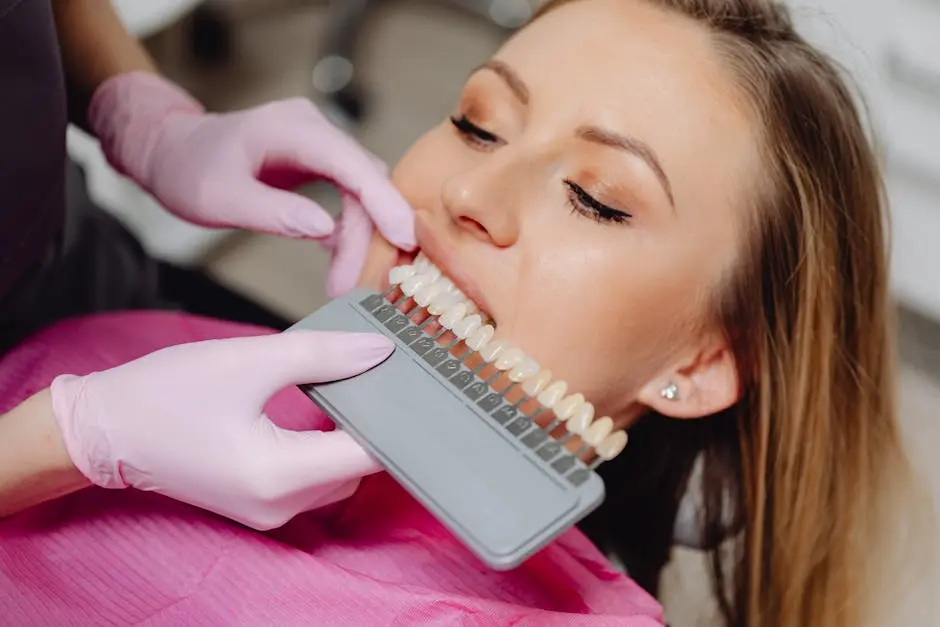
1. Whitening Products Are Always Safe
While many over-the-counter products are safe, not all are created equal. It’s essential to research and choose reputable brands. Moreover, understanding the ingredients in these products can help you avoid potential harm to your enamel.
Additionally, you should consult your dentist for recommendations tailored to your specific dental health. They can guide you toward choices that won’t just lighten your teeth but protect your overall oral health as well.
2. Natural Remedies Work as Well as Professional Treatments
Many people swear by lemon juice or baking soda, but they may not deliver the results you seek. Professional treatments often yield more significant and quicker results. While natural remedies can help to some extent, they often fall short compared to clinically tested solutions.
It’s important to remember that professional whitening not only subsumes a broader array of options but also allows for greater control over sensitivity and results. So, if you’re truly looking for a dazzling smile, investing in professional care can often be worth it.
3. All Teeth Whitening Techniques Are the Same
There’s a variety of whitening methods available, from strips to in-office procedures, and they can vary greatly in effectiveness. Not only that, but individual experiences can differ widely based on tooth structure and existing stains.
For example, in-office treatments typically offer stronger formulations under professional supervision, while at-home kits can be more convenient but may take longer to show results. Understanding the differences can help you choose the most suitable option for your whitening journey.
4. Teeth Whitening Can Damage Enamel
When done correctly with the right products, whitening should not damage your teeth. Misuse and overuse, however, can lead to issues. It’s vital to follow the instructions carefully and not exceed recommended usage.
Furthermore, consider that certain mouthwashes and frequent consumption of acidic foods can also contribute to enamel erosion. This means maintaining a balanced oral care routine is just as necessary as choosing the right whitening method.
5. Whitening Causes Increased Sensitivity
Some individuals may experience sensitivity, but many whitening products now contain ingredients to help minimize discomfort. Look for formulations that include potassium nitrate or fluoride, which are often designed to combat post-whitening sensitivity.
It’s also wise to discuss any pre-existing sensitivity issues with your dentist before beginning treatment. They can suggest the best course of action to mitigate any potential discomfort, allowing you to enjoy the whitening process.
6. Dark Drinks Are the Main Cause of Staining
While coffee, tea, and red wine contribute to staining, other factors like smoking and aging also play a crucial role. Many people focus solely on avoiding dark beverages without realizing that their habits and lifestyle choices can also impact their smile.
Additionally, routine dental hygiene practices, such as regular brushing and flossing, play a vital part in keeping your teeth stain-free. Emphasizing multiple angles of care will yield far better results than merely avoiding certain drinks.
7. Once You Whiten, You Never Need to Again
Teeth can naturally stain over time, so periodic touch-ups are usually necessary to maintain that bright smile. Factors such as diet, age, and lifestyle will dictate how often you should engage in whitening.
Incorporating regular maintenance sessions into your dental routine ensures that your teeth continue to look their best, preventing the need for major whitening treatments. This proactive approach will keep those pearly whites sparkling year-round.
8. You Can Whiten Crowns and Fillings
Unfortunately, whitening treatments only work on natural teeth, leaving crowns and fillings unaffected. This means if you have significant dental work such as veneers, crowns, or fillings, your overall whiteness might appear uneven.
Understanding this limitation can help you make better decisions regarding your whitening approach, particularly if you’re planning more extensive cosmetic procedures in the future. Always consult your dentist if you’re unsure about how your dental work will respond to whitening.
9. Whitening Works for Everyone
Not all teeth respond the same way to whitening. Factors such as the type of stain and natural tooth color can affect results. For instance, yellowish stains from smoking may lift more effectively than gray stains from aging.
It’s crucial to set realistic expectations based on your dental history and to consult your dentist about the best route forward. Personalized treatment plans often yield the best outcome when it comes to achieving a brighter smile.
10. Teeth Whitening Is Only for Cosmetic Purposes
While it’s primarily for aesthetics, whitening can also enhance confidence and encourage better oral hygiene. An improved smile often motivates people to maintain their dental care, leading to overall better oral health.
Furthermore, feeling good about your teeth may indirectly influence your interactions with others, boosting your social life and professional opportunities. In this way, the benefits of whitening extend far beyond mere appearance.
11. Whitening Treatments Are Not Affordable
Many affordable options, including at-home kits, are available that can provide satisfactory results without breaking the bank. The variety of choices means that there’s likely a whitening solution for any budget.
Moreover, investing in your smile is an investment in your confidence and well-being, making it a worthwhile expenditure for many. It’s about finding the right balance between cost and quality.
12. You Should Only Whiten Before Special Events
Regular whitening can help maintain your smile and is beneficial even outside of special occasions. Incorporating whitening into your routine ensures that you’re always ready for spontaneous moments.
Think of it this way: Just as you’d keep your wardrobe in good shape for any occasion, maintaining your smile should be a part of your everyday routine. Consistency is key for a long-lasting effect.
13. Whitening Perpetuates Bad Dental Hygiene
On the contrary, a brighter smile may motivate individuals to maintain and improve their oral care routines. Many people find that the initial results inspire them to be more diligent with their brushing, flossing, and dental check-ups.
The key is to view whitening not just as a cosmetic procedure but as part of a holistic approach to dental health. Combining good habits with aesthetic treatments can lead to lasting results that benefit both your appearance and oral health.
14. Professional Whitening Is Always Better
While professionals can offer more effective treatments, some at-home products have come a long way in quality and effectiveness. It’s essential to do your homework and select high-quality products.
That being said, a consultation with a dental expert can provide invaluable insights into what options work best for your situation. A combined approach, utilizing both professional guidance and effective at-home products, can lead to the best of both worlds.
15. Choosing the Right Product Is Complicated
With a bit of research, selecting the right whitening product can be straightforward. By reading reviews and understanding what different products offer, you can find one that aligns with your needs.
Additionally, consulting your dentist can further simplify the process, ensuring you’re choosing a solution that fits your individual dental health and desired outcome. Remember, informed choices are always the best choices.

